


Gazpacho Manchego
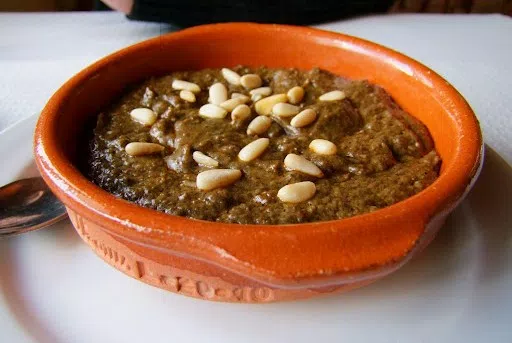
Ajo Mataero
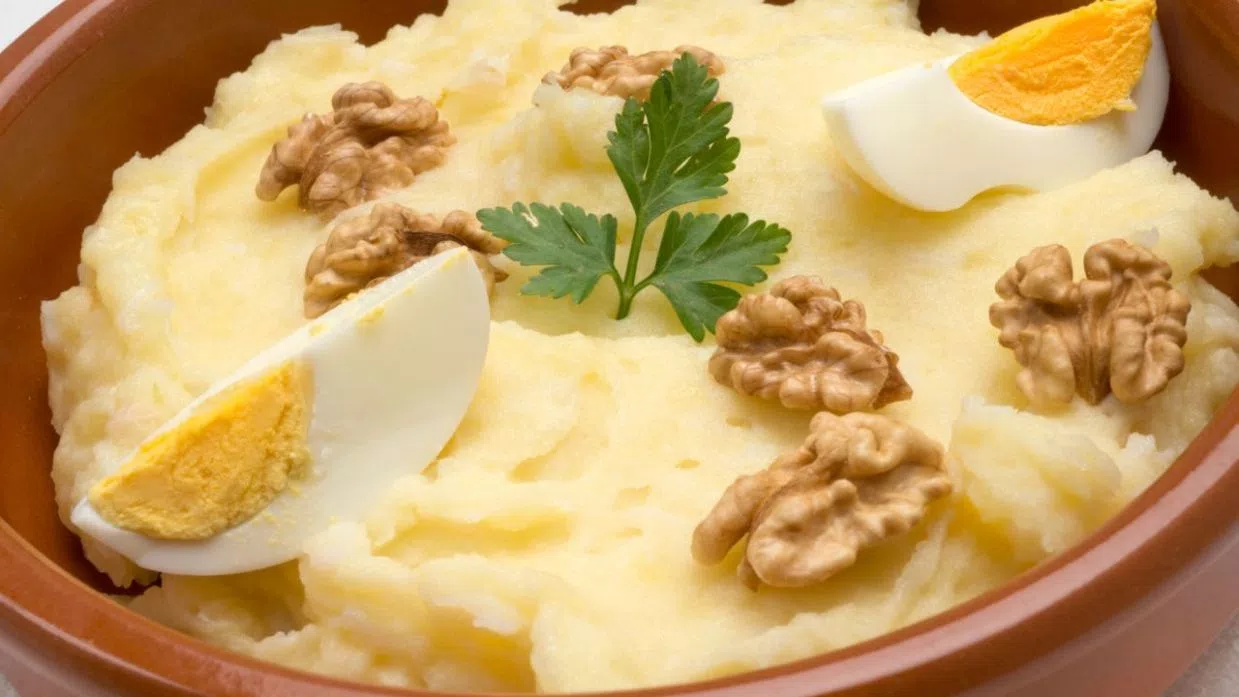
Atascaburras
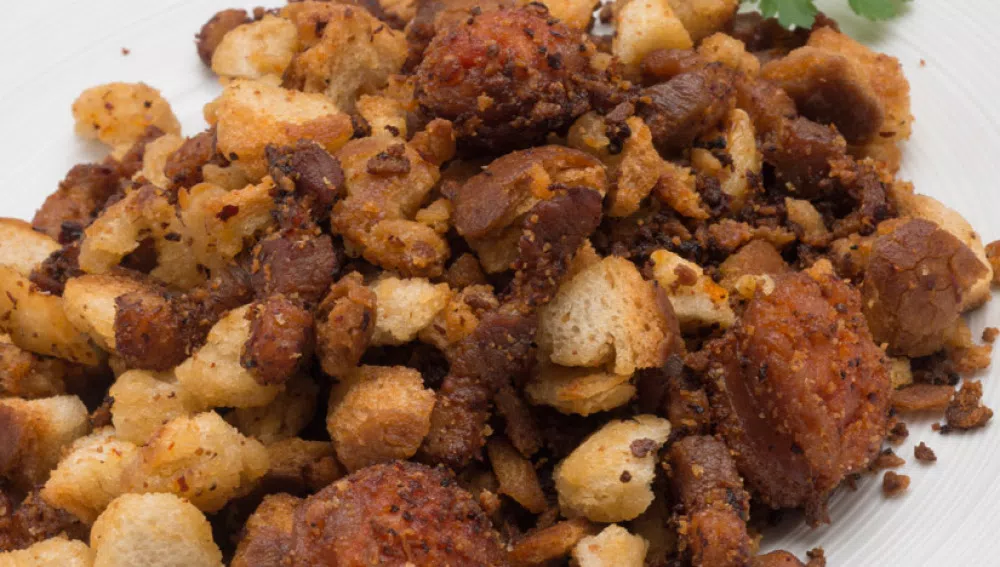
Migas from Alcalá del Júcar
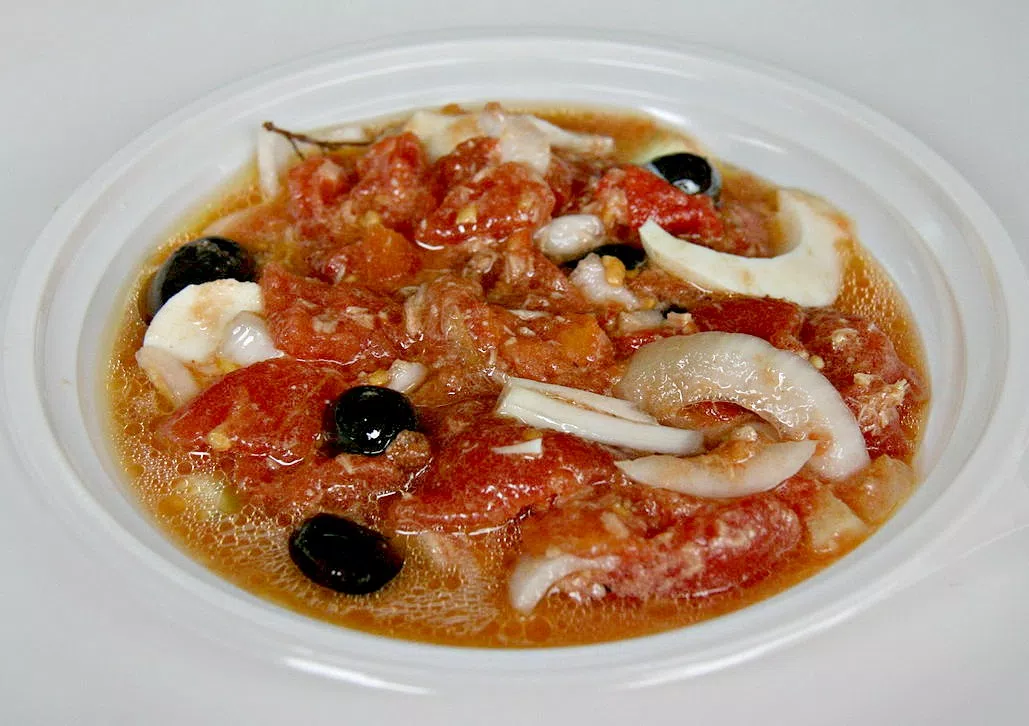
Moje Manchego
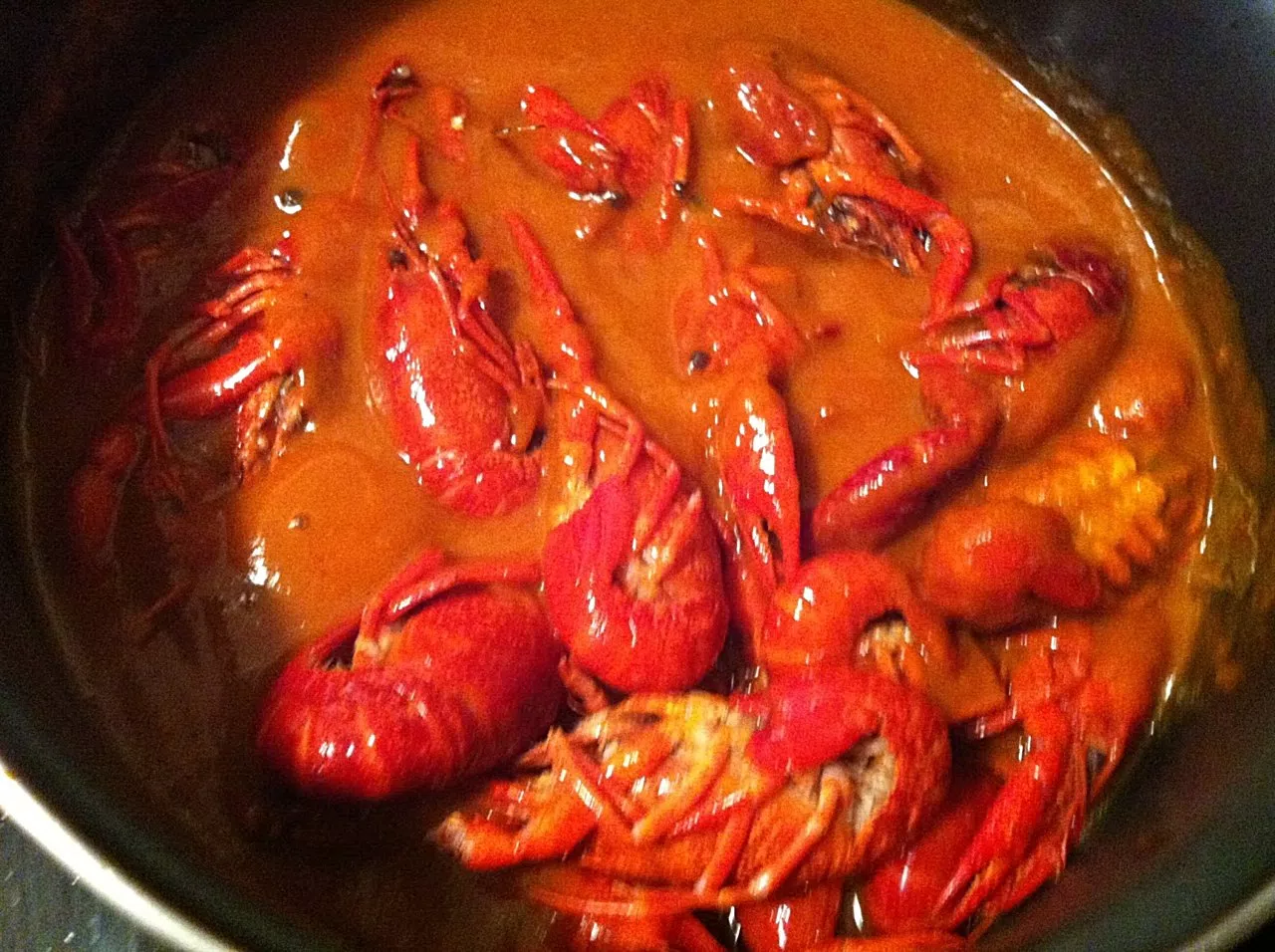
Crayfish Dish
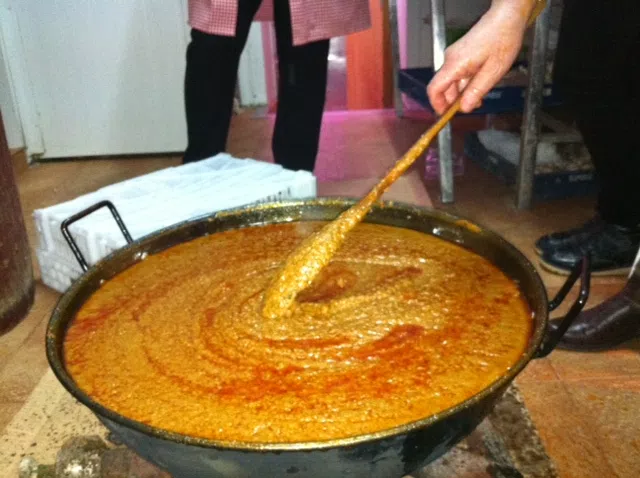
Morteruelo
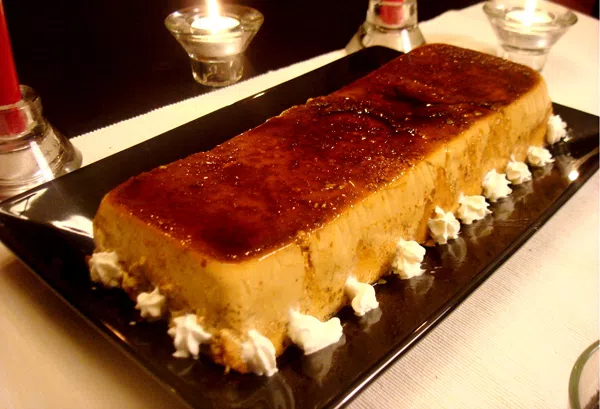
Calatrava Bread
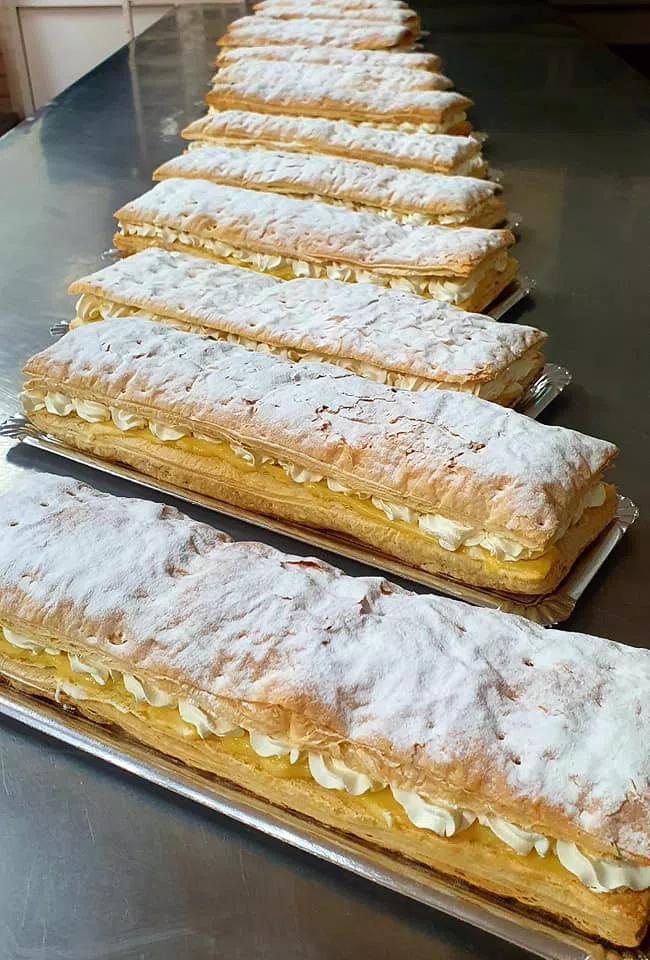
Alcalá del Júcar Cake
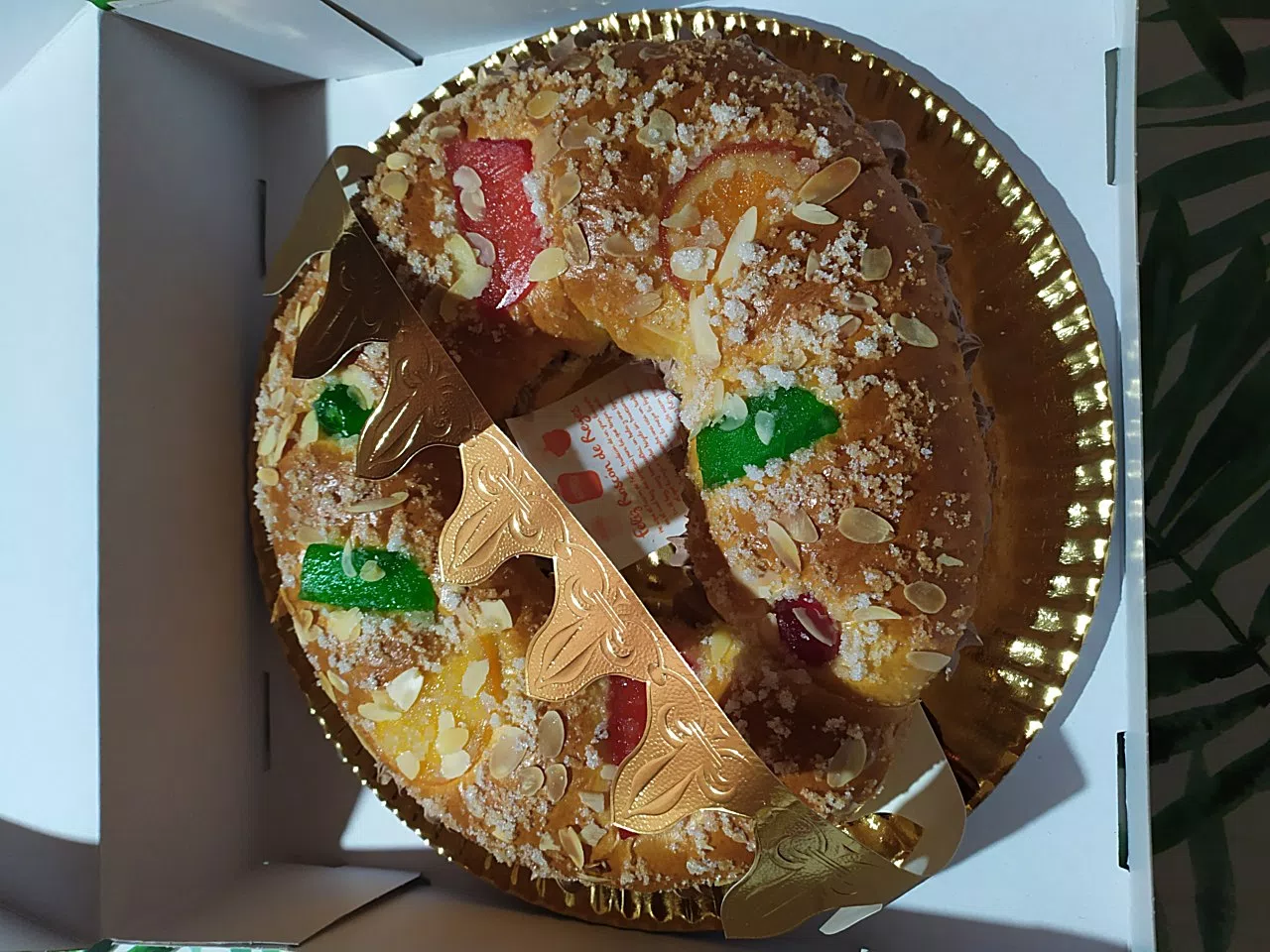
Roscón de Reyes from Alcalá del Júcar
Gastronomy
Typical gastronomy of Alcalá del Júcar, Albacete, and Castilla La Mancha
Dishes from the Cuisine of Alcalá del Júcar
In 1901, Don Eladio León mentioned that the diet of the area was frugal and simple, consisting of "salted pork, which, along with potatoes and legumes harvested in the village, and the bread and wine produced there, constitutes the general sustenance of its inhabitants." While this was certainly true, it is equally true that Manchegan cuisine could be described as hearty and flavorful, with many dishes forming the basis of the regional diet.
The cuisine of this small yet great village, Alcalá del Júcar, shares many similarities with other Manchegan areas, though it adds its personal touch with spices grown in its fields (garlic, saffron, etc.), giving its stews a unique flavor and comforting aroma.
Among the most notable dishes is, of course, the traditional "gazpacho manchego," also known as "galiano," named for being a common meal among shepherds during their transhumance through the galianas or cañadas of La Meseta. This exquisite dish primarily features partridge and rabbit, along with cenceña flatbread, garlic, tomato, peppers, salt, and oil.
The "gachas manchegas" made from almorta flour and the "pisto manchego," with tomato and peppers, could be considered vegetarian dishes if not for the bacon in the pisto or the blood sausage in the gachas. Other standout dishes include the "olla de aldea," "guisado de trigo," and "morteruelo," made with bacon, lean meat, liver, etc., which was mentioned by Don Enrique de Villena in his book "Arte Cisoria," also known as "Treatise on the Art of the Knife"; this is the first Castilian work on culinary etiquette.
Also noteworthy are the "migas de Semana Santa." To prepare them, bread cubes are fried in oil; separately, and in the same oil, flour is dissolved, and then honey or sugar is added. Next, the appropriate amount of water is added, and just before turning off the heat, the bread cubes are added; a couple of stirs, and the migas are ready. This dish can be eaten either cold or hot.
Other renowned dishes from Alcalá's cuisine include "ajo mataero," "atascaburras," "moje," "stewed beans," etc., and a whole array of dishes that made the days of our ancestors more bearable. Of course, to all these dishes from our grandmothers, we must add a series of products obtained from the pig slaughter, including blood sausages, sausages, güeñas, perro, etc., not forgetting the lomo de orza.
Crayfish deserve a special mention; this is a tasty crustacean for appetizers that lives in almost all the waters of Albacete, although those from the Júcar are the most appreciated by enthusiasts. One way to cook crayfish is by sautéing them with oil and adding spicy chili, although others add chopped garlic, ham, fried tomato, flour, and fish broth. Reference from the Book "History of Alcalá del Júcar" by: (José Luis Valiente Pelayo)
If you stay in our rural houses, we will recommend where to eat well. You have different restaurants to taste the typical food of Alcalá del Júcar. Among these restaurants: Restaurante los Robles, Restaurante el Rincón del Júcar, Tapería Entre Hoces, Restaurante el Molí, Fogones el Chato, and Bar la Hondonera. For desserts or sweets, there is a confectionery or bakery called: La Cueva.
And if you're wondering: Where to sleep in Alcalá del Júcar? If you're traveling alone or as a couple, don't forget our rural apartments specially designed for couples.